
Cody's Curation #7
Internal Locus of Control, John Wooden, Clothing Donations, Doing Things, Completing Things

Stanford Volleyball’s National Championship win in December had me reflecting on a Coach Your Brains Out podcast (Parts 1 and 2) with Head Coach Kevin Hambly from the summer. In it, he speaks about valuing, tracking, and improving overall student-athlete wellness as well as nurturing/developing his players’ internal locus of control:
The belief that you are in control of your life versus forces outside of yourself determining your fate.
Coach Hambly on what an internal locus of control means for his players:
“That they feel like they are in control of their day, their bodies, their minds, and their spirit. That no one is controlling them…there are things they can’t control, their class, their schedule, things like that…[but finding ways to give players more control in certain situations can be extra motivating and beneficial.]” See Halpert’s 28 measures for more.
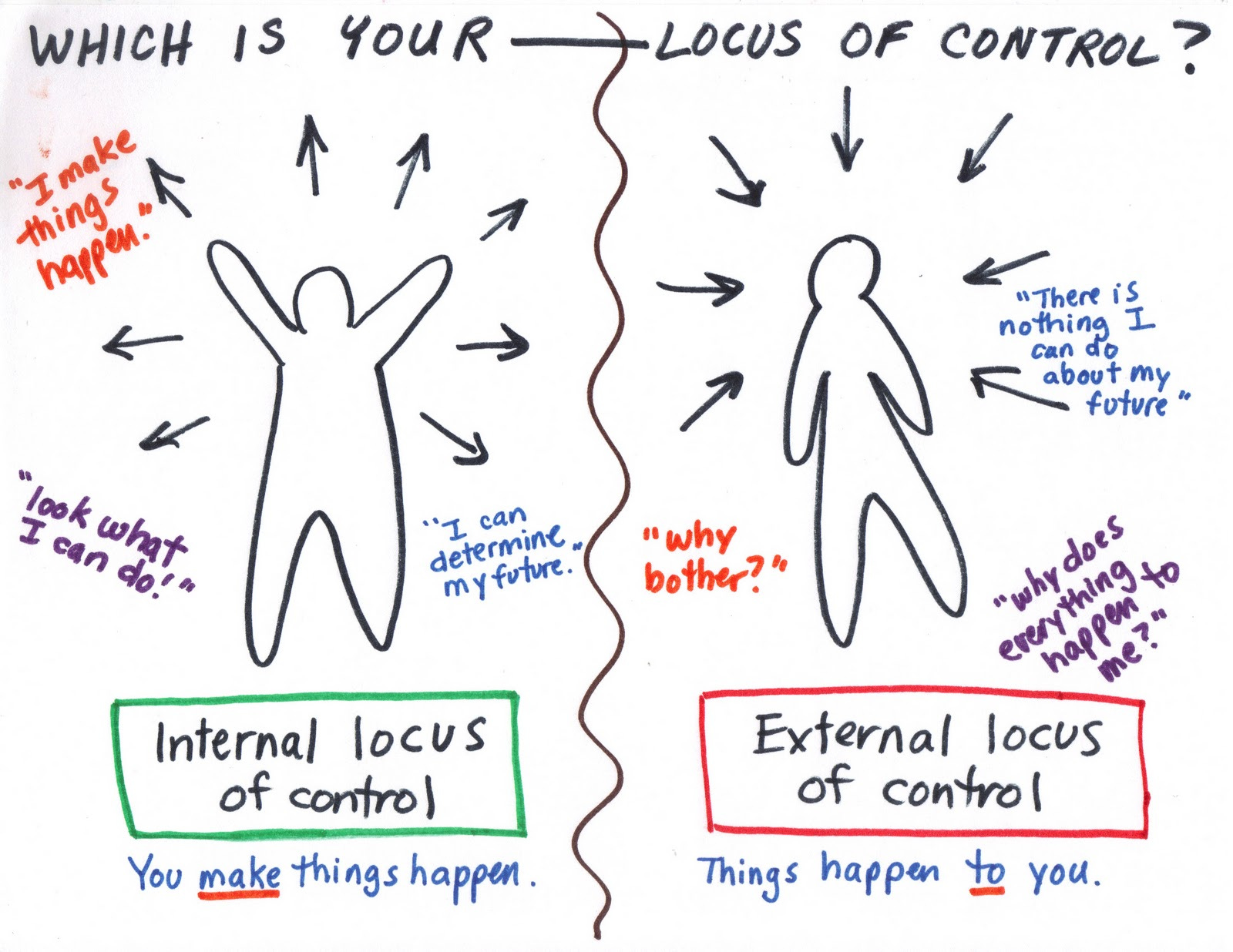
As one might expect, those with a higher internal locus of control tend to feel happier, more free, less stressed, are healthier (less chronic stress from a feeling of powerlessness), and are more satisfied with life in general. It also predicts positive self-esteem and can lead to a cascade of other positive changes.

*Still gives me chills! One of the few poems I have committed to memory after learning that coaching great John Wooden had a habit of reciting poetry in this way. (you can hear him speak about an internal locus of control starting 2 minutes in along with so many more gems)
A great video and well worth a re-watch if you’ve already seen it.
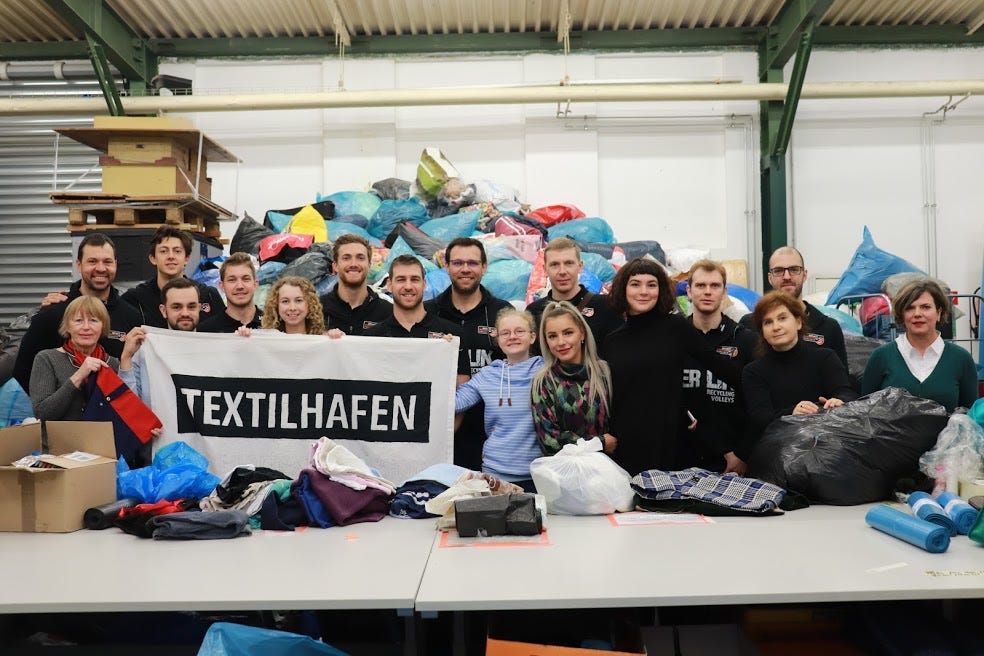
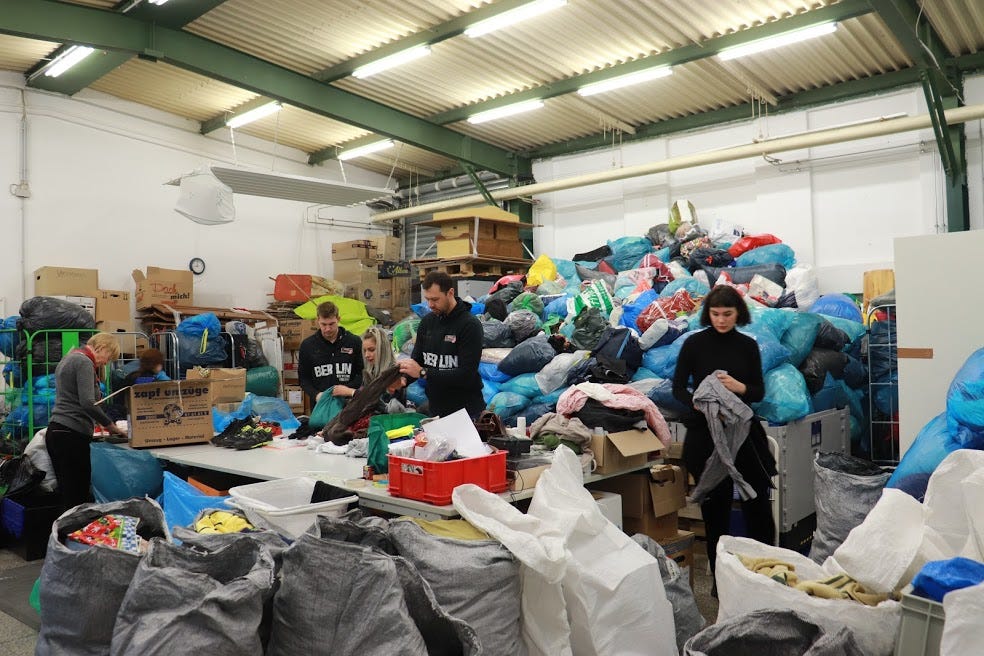
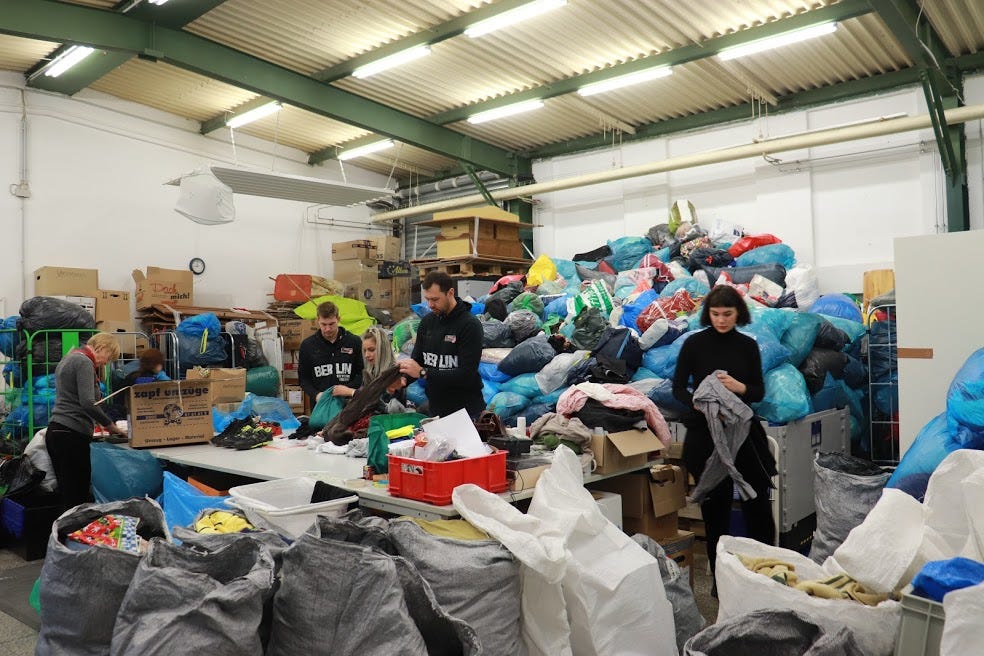
My teammates, coaches, and I visited TextilHafen in Berlin a few days ago. It is one cog in the big non-profit machine in Berlin that processes clothing donations to help the homeless (and many others). Long story short, they receive about 4,000 pounds of donations every few days. Some of this is accepted or upcycled (we sewed some old cloth garments into bags). But much of it is not fit for the homeless or for second-hand shops and is ultimately passed on to other countries, with much of it ending up in trash piles in India or China. Here are some of my key takeaways from the experience:
approximately 90% of donations are women’s clothing.
approximately 90% of the homeless are men and so men’s clothing is needed most. Especially underwear, socks, shoes, gloves, and backpacks. (No they don’t need your soiled old underwear and socks but consider contacting your chosen place of donation to see what is most in need—also donate toiletries, personal care items).
Only donate clean or cleaned clothes/bedding/sheets. Shoes are usually only needed if they are relatively clean and in pairs.
Donate in-season (many do closet “season cleaning” and donate, but if the donations are out of season —like a heavy coat received in summer—probably can not be accepted and stored for a long time).
Overall just be a bit more mindful about the clothes you buy (consider second-hand and vintage—avoiding cheap fast-fashion), your overall consumption practices, and how you donate.
Pick one random or premediated act of kindness to do this week:
$10,000 piece of advice:
Write down a list of things that need to be done every day.
Do them.
If you enjoyed this or got some value out of it, please forward it or take a moment to share it with one or two people.
If someone awesome forwarded it you, sign up for future newsletters now!
Much love,
Cody